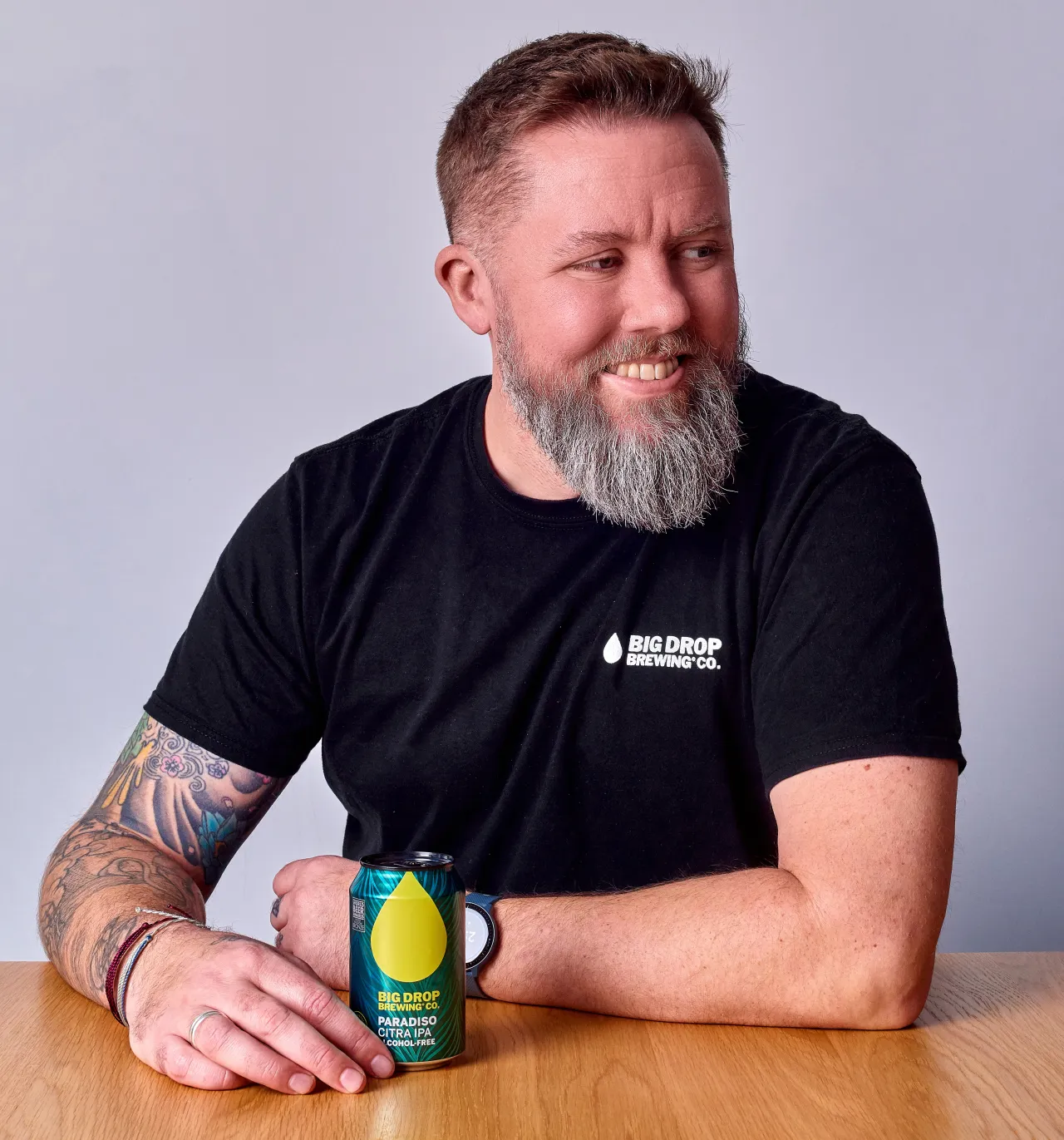
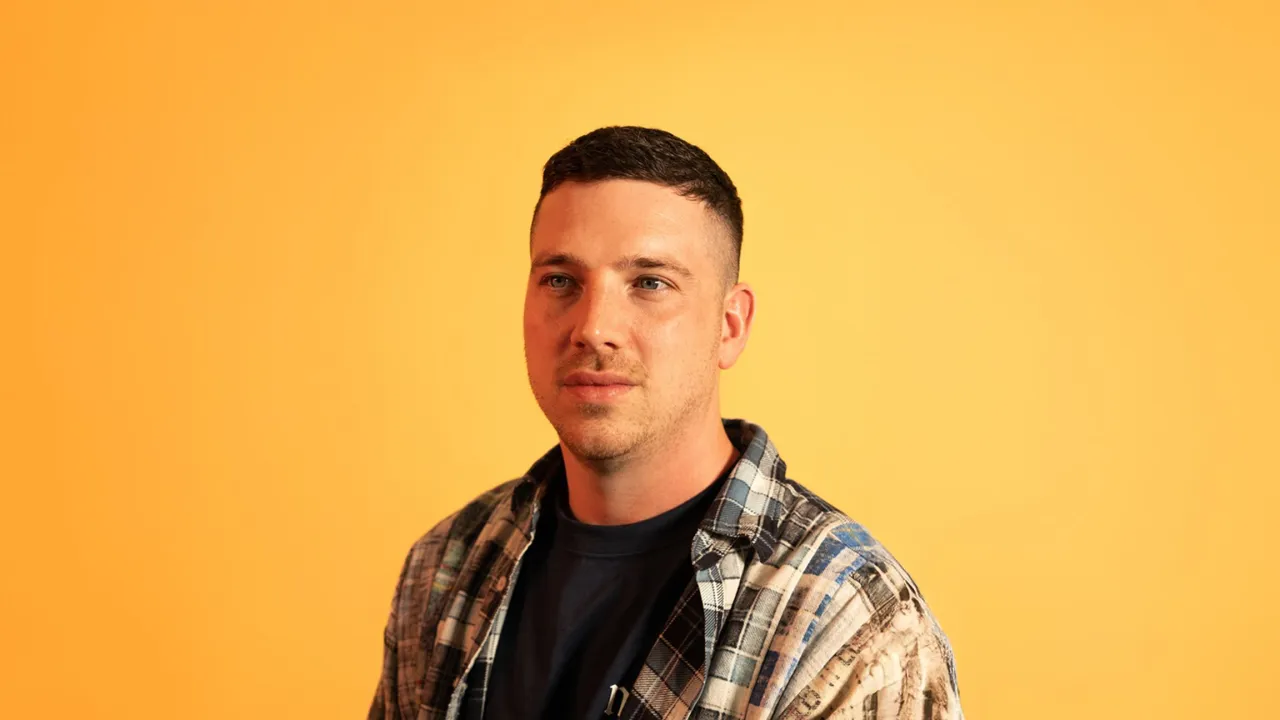
Jonny Miller, founder of Nervous System Mastery
You've been going through a tough time, wrestling with a sense of numbness, low motivation, burnout or poor sleep. And so, good 2020s citizen that you are, you follow all the advice. Pilates. Exercise. Walks in the fresh air. Talking therapy. Meditation. Breathing exercises.
All that stuff helps, to a point. But only so much. There's this nagging feeling in your mind that you're doing it wrong. Or not doing it enough. And that it's somehow your fault.
Jonny Miller, founder of the nervous system training programme Nervous System Mastery, has a different suggestion. Maybe it's not your fault. Maybe we simply need to rethink the way we approach mindfulness in the first place.
The limits of mindfulness
Jonny sees meditation, yoga, breathing exercises and so on as excellent ways to deal with stress and anxiety. But he also believes there's a danger. Used unthinkingly, they can just be another way to push down emotions inside. Like you might do by downing a bottle of wine, eating fast food, or doomscrolling on your phone.
"I love meditation, and I think it's an incredibly powerful, valuable practice," Jonny says. "But it can also be used to effectively disassociate, or to self-regulate away your emotions. In the short term, you might be more productive; you might feel less anxious, so I'm not saying don't do it. But it's ultimately a short-term band-aid. At some point, you'll have to open that Pandora's box of stuff you haven't been wanting to look at."
Our nervous systems, he explains, are brilliant at "buffering" a sharp emotional response. And often, that's very useful. Nobody wants to burst into tears in a client meeting because someone upset their feelings with a careless word. The trouble starts when that buffering becomes a permanent setting, rather than an occasional tool. "Many of us are walking around with pockets of buffered emotional responses," he says, "which contribute to a sense of exhaustion, fatigue and low capacity."

Jonny Miller, founder of Nervous System Mastery
This isn't how evolution designed our minds and bodies to work. For instance, after an animal escapes a predator, they'll typically stand somewhere for a while, visibly distressed and physically shaking, as a way of processing the stress response and discharging it.
Unfortunately, humans have got out of the habit of doing this: a habit we desperately need to relearn. Because often, what keeps a negative feeling alive for hours, days or even years isn't the emotion itself but our resistance to it: a kind of physical tightening that Jonny calls "clenching".
"Emotions themselves often don't last that long," he points out. "It's the way we constrict and tense against them, and try to resist feeling them. That's the thing that causes the problem."
Learning to let go
Jonny's work is firmly focused on helping people to recognise where emotions are being held in their body, and to release them. So what does that look like in practice?
In a nutshell, he structures his teaching around three core skills that build on each other. First comes interoception: getting better at noticing what's happening inside your body, moment to moment. Then comes self-regulation, using body-based, "bottom-up" tools such as breathing exercises to shift your physical state directly, rather than trying to think your way out of stress with cognitive reframes alone.
Only once these two skills are in place does he move on to the third and hardest skill: emotional fluidity. This means learning to welcome and feel the emotions arising within you, rather than managing them from a safe distance.
When an emotion is allowed to move through you, rather than managed away, you'll typically experience a specific physical sensation. "Almost always, on the other side of a wave coming through, there's a sense of relief," he says. "It's like putting down a big backpack at the end of a hike."
Rather than handing everyone the same fixed routine, Jonny prefers to treat each student as, in his words, "a scientist of their own experience". People are encouraged to try a handful of different practices with curiosity, notice which ones help them feel more, not less, and build a personal toolkit from there.
Students move on to design their own real-life "edge challenges": specific situations, often involving a difficult boss, partner or habit, where they can practise staying present with an emotion rather than clenching against it. None of this, by the way, aims to replace therapy or other things you're already doing. It's a set of practical tools sitting alongside them.
How to sign up
Jonny runs Nervous System Mastery as a five-week live bootcamp (which he calls a 'cohort'), twice a year, with the next cohort running from 5 October to 6 November.
Each week combines around 45 minutes of pre-recorded audio and workbook exercises, complemented by a live weekly session. Students who want extra depth can also join small-group practice sessions and weekly guest masterclasses covering specific themes such as sleep, ADHD or public speaking, taught by other experts in the field.
Enrolment for the upcoming cohort closes on 25 September, and previous cohorts have sold out. To apply or find out more, head to nsmastery.com. Use the special code BOOM250 at checkout for $250 off enrolment.
Editor's Picks



Trending





Latest Jobs
Senior Graphic Designer at MoMA Retail
Full-time·New York·$72k-$80k
Graphic & Motion Designer at The SHARP Agency
Full-time·Leeds·£26k–£33k
Account Manager at BUILDHOLLYWOOD
Full-time·London·£34k–£38k
Midweight Designer at All Purpose
Full-time·London·£30k–38k
Client Success & Growth Director at Revolution Growth
Full-time·Manchester·£60k-£70k
Principal Software Engineer at BBC Media Tech
Full-time·Glasgow·Up to £83,790